Humboldt Obon
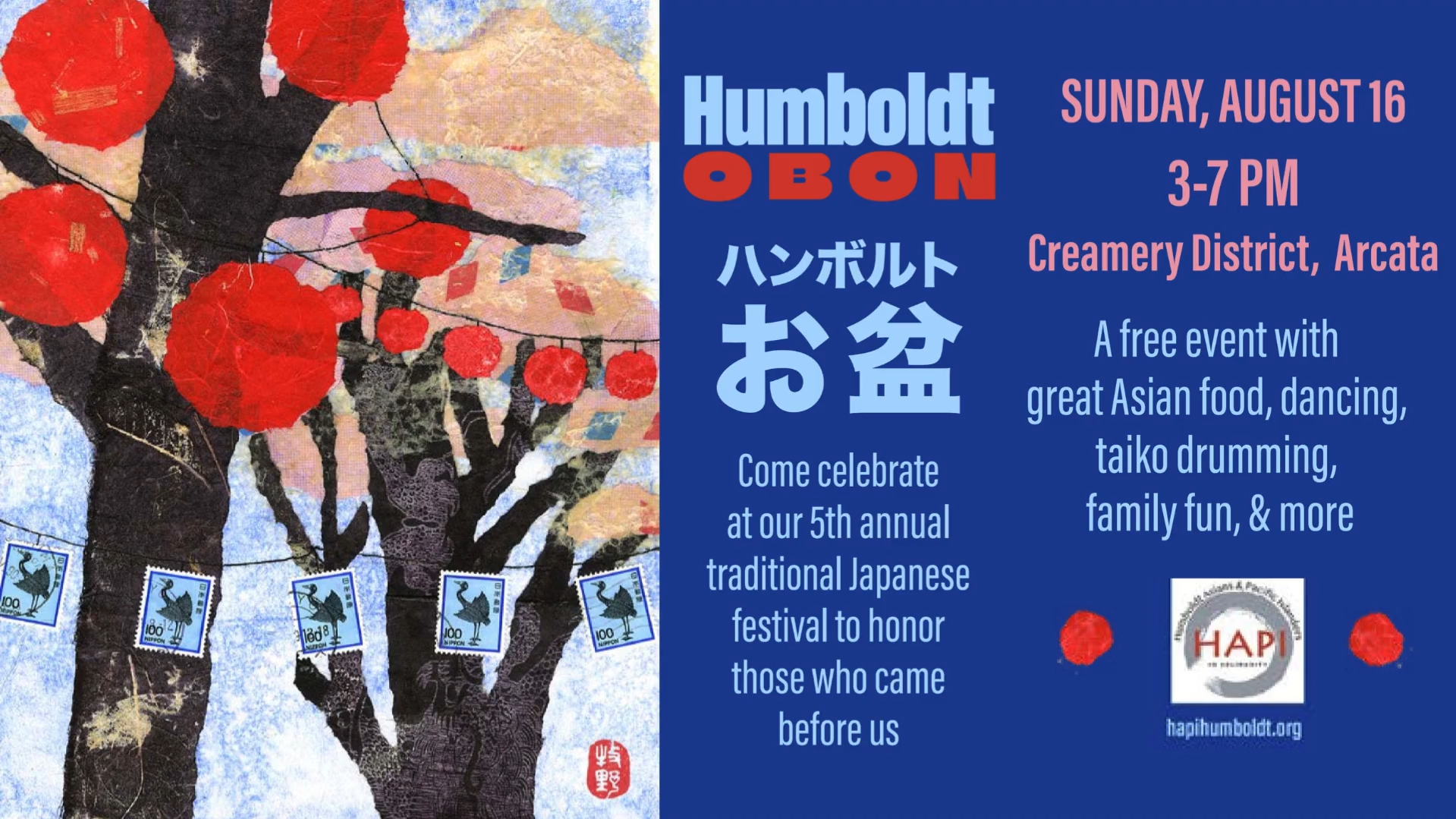
Celebrating those who came before us
Mark Larson
Obon Festival
The style of Obon celebration varies in many aspects from region to region. Each region has a local dance, as well as different music. The music can be songs specifically pertinent to the spiritual message of Obon, or local min’yō folk songs. Since many people return to their hometown during the Bon festival period, it provides a chance for people from each region to meet after a long separation.
Bon Festivals are also held in other countries, especially those with large Japanese communities. In other Asian countries, the Ghost Festival, also known as the Hungry Ghost Festival, is the Chinese traditional counterpart to Obon. Bon festivals are celebrated in North America, particularly by Japanese-Americans or Japanese Canadians affiliated with Buddhist temples and organizations.
Many Obon festivals in the US, include children’s games, cultural and food stalls providing a variety of interest and displaying features of Japanese culture and Japanese-American history. Performances of taiko by both amateur and professional groups have become a popular feature of the festival. The songs played may differ among community celebrations and may include both Japanese traditional Bon Odori songs and contemporary popular songs.
What is Obon?
Obon (Japanese:お盆) or just Bon (盆) is a Japanese Buddhist custom to honor the spirits of one’s ancestors. It is a time during which ancestors and their sacrifices are remembered and appreciated.
It has been celebrated in Japan for more than 500 years and traditionally includes a dance, known as Bon Odori. This custom has evolved into a family reunion holiday during which people return to ancestral family places and visit and clean their ancestors’ graves, and when the spirits of ancestors are supposed to revisit the household altars.
For the Japanese, Obon is one of the few events in the year that focuses on the importance of families. Time is spent together as families, recalling their roots and their beloved ancestors. In some homes and business establishments, people hang lanterns believing that the light will guide the spirits on their return to the physical world.
Humboldt Obon
In 2022, Humboldt Asians & Pacific Islanders in Solidarity (HAPI) organized the first Humboldt Obon Festival.
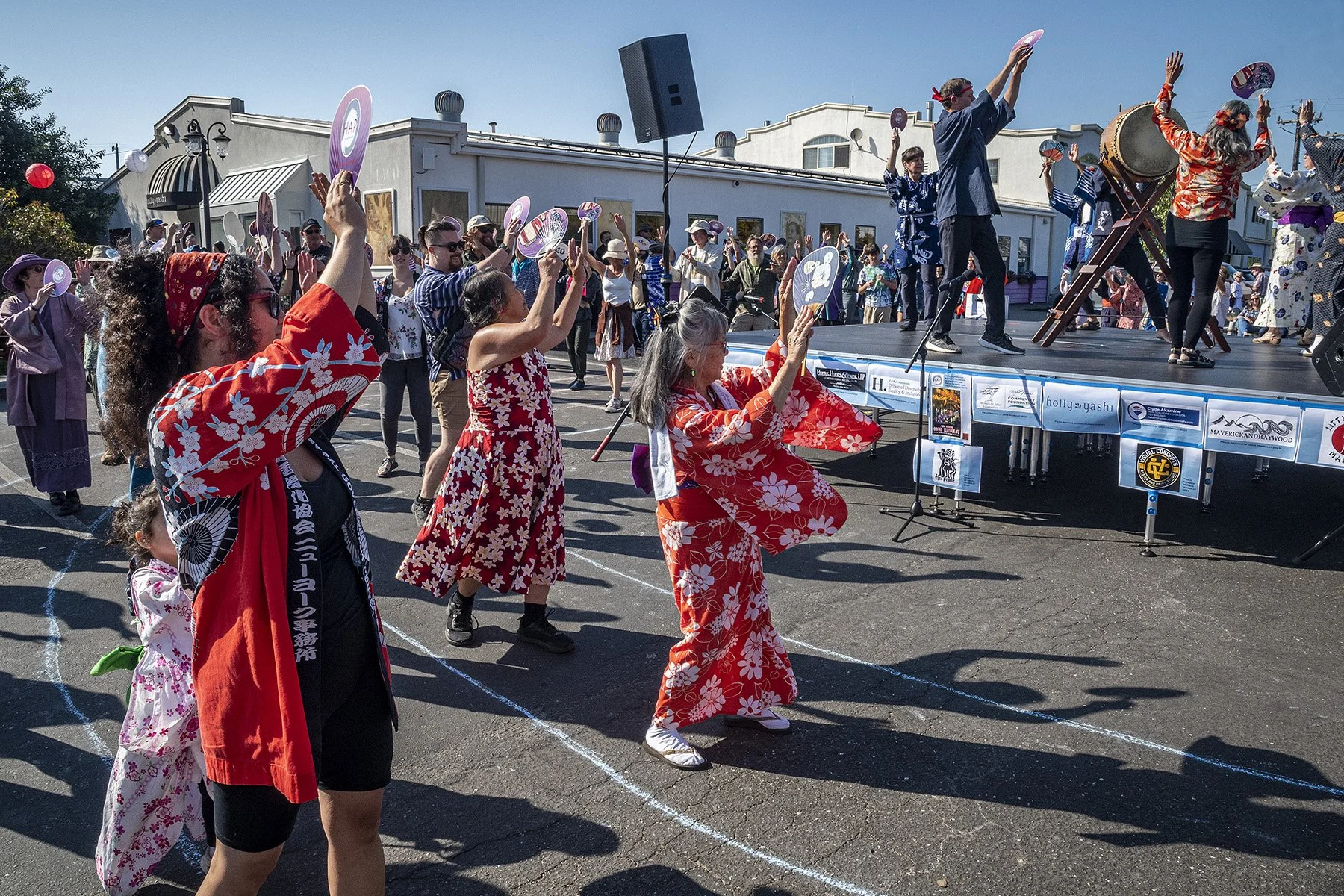
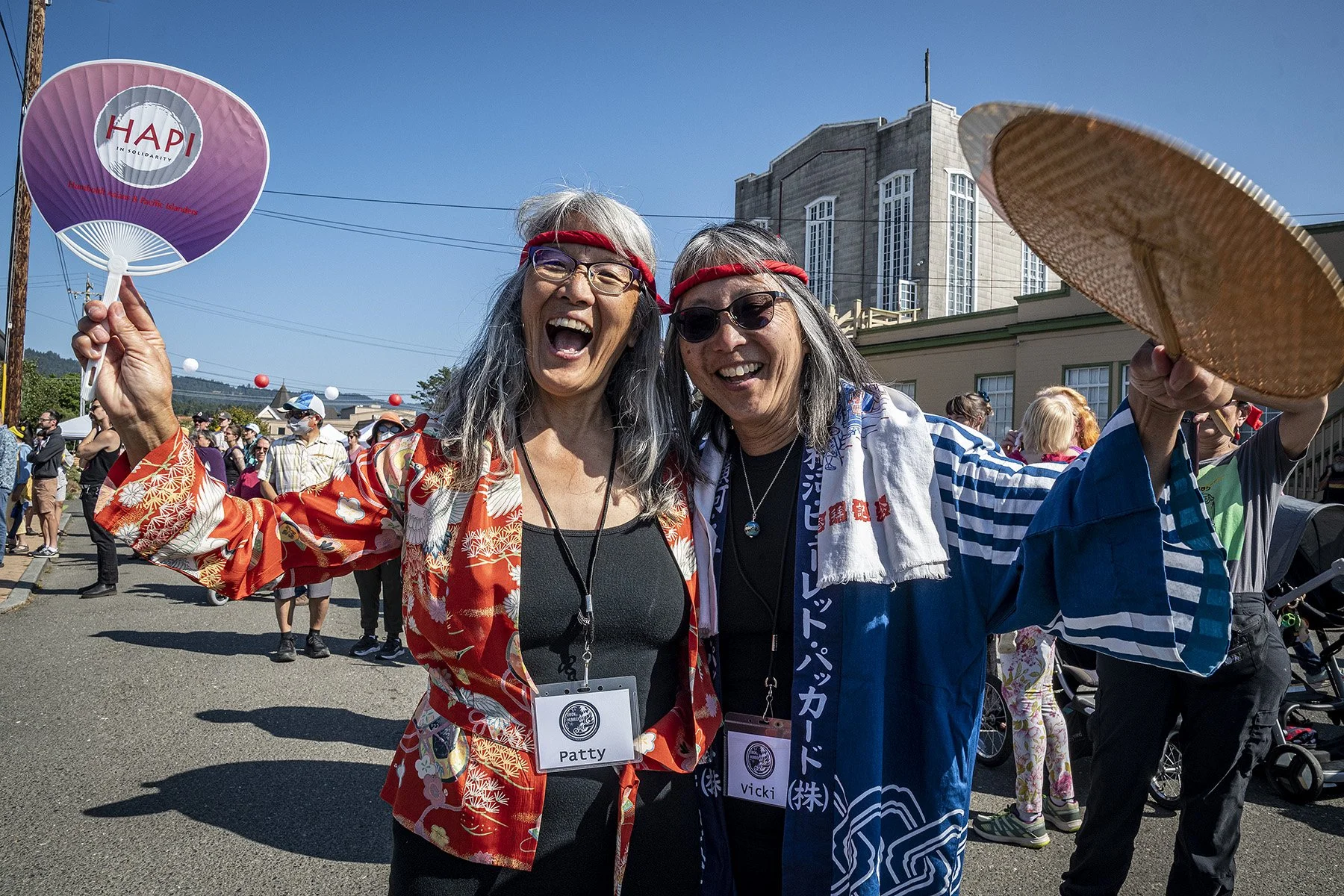
The Humboldt festival brings together traditional elements, such as bon dancing (Bon Odori, 盆踊り) and taiko(太鼓) drumming, a remembrance altar (仏壇 , butsudan), and a community ancestor tree hung with tanzaku (短冊), or prayer tags – with contemporary elements, such as Japanese snack food (spam musubi), and cosplay characters from the Japanese animated film, My Neighbor Totoro.
Humboldt Obon has also been fortunate to have Reverend Gerald Sakamoto (retired, San Jose Buddhist Church Betsuin), bless the festival each year since its inception.
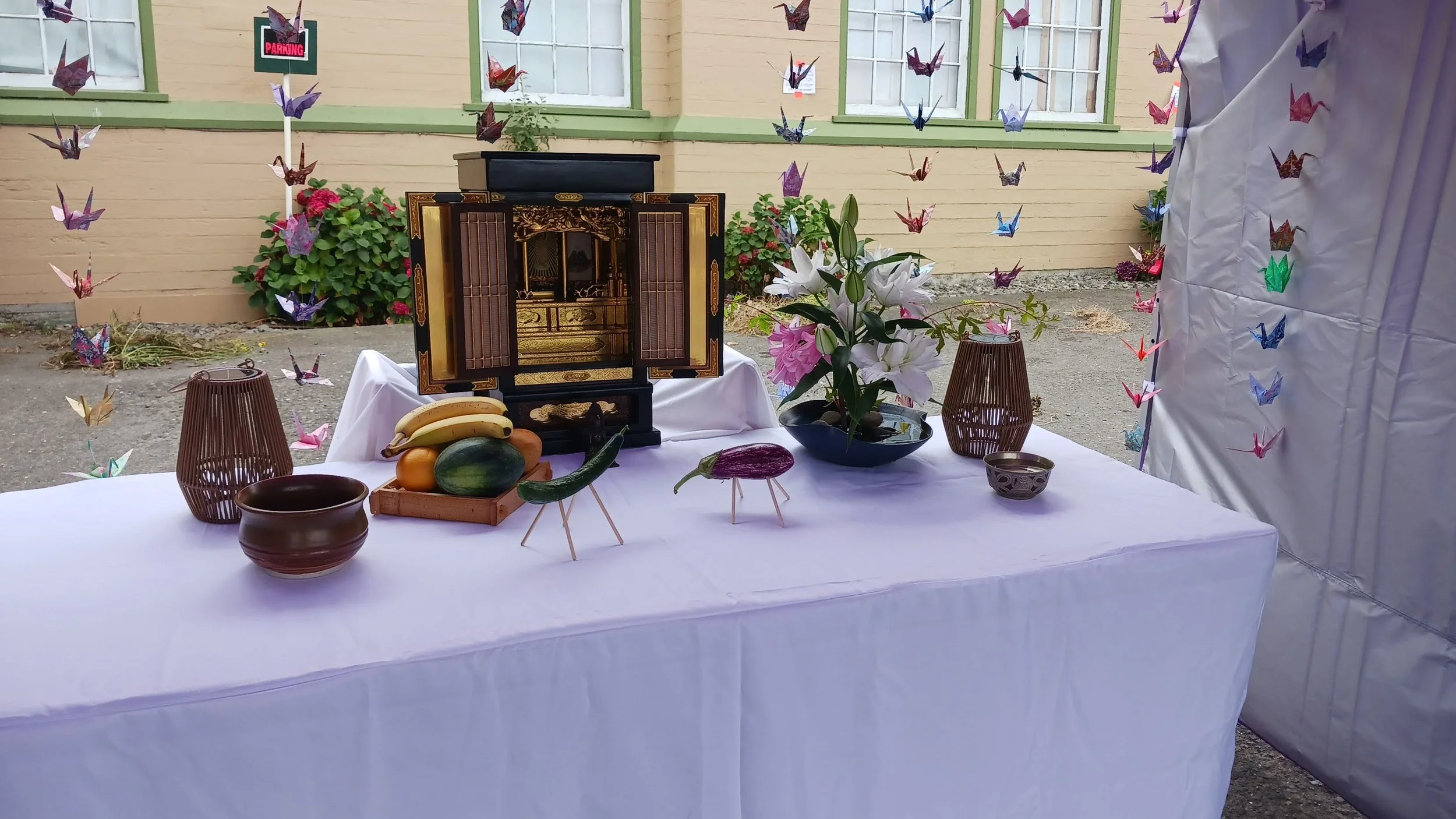
Shorydana, 精霊棚 (Spirit Altar)
During Obon time, a shoryodana (精霊棚, spirit altar) is set up in the home in front of the Butsudan (仏壇 Buddhist family altar) to welcome the ancestors. Offerings of fruit, incense and flowers may be placed on the altar for the spirits, and lanterns may be added to guide the spirit’s way home. Additionally, offerings of rice and water are presented for listless spirits with no living relatives who are wandering in this world. A Buddhist priest is usually asked to come and read a sutra (棚経, tanagyo).
In some regions of Japan, small animal figures called Shoryoma (精霊馬) are made from cucumber and eggplant; to be used by the spirits of the deceased to come and go between this world and the spirit world. Legs made from hemp reeds, matchsticks or chopsticks are inserted into the vegetables which represent a horse and cow. The cucumber is regarded as a fleet-footed horse (胡瓜馬, kyuri uma) to come back home swiftly, and the eggplant (茄子牛, nasu ushi) is the leaden-foot cow to go back to the spirit world as slowly as possible.
Because Obon occurs in Japan’s summertime, other Obon imagery includes the ancestor’s return riding on red dragonflies to visit their earthly families. A traditional altar for offerings to the spirits, kyuri uma on the left, nasu ushi on the right.
Bon Odori 盆踊り (Bon dance)
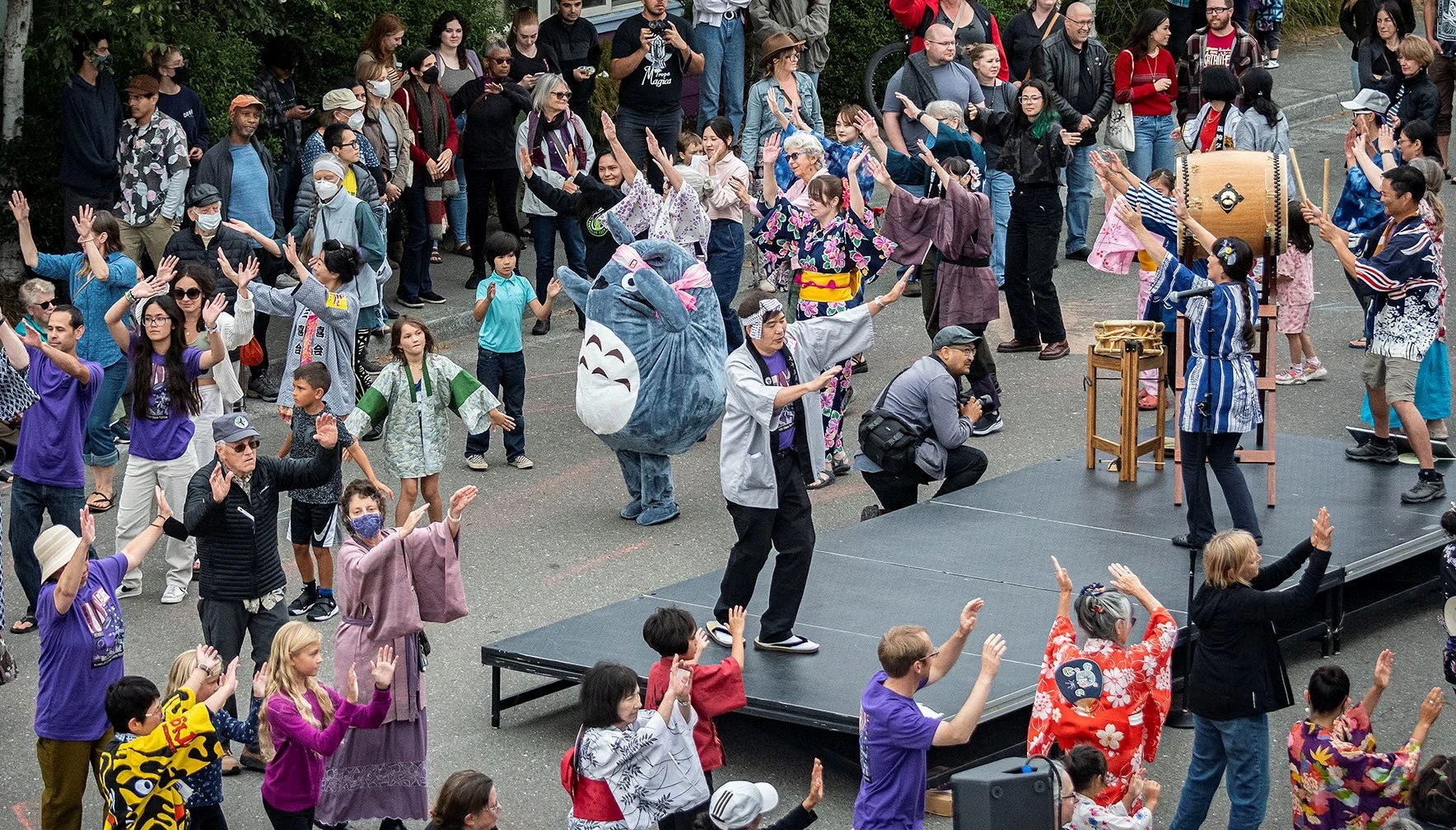
From Maudgalayayana’s dance of joy comes the Bon Odori or “Bon Dance.” The way in which the dance is performed can be different in the different regions of Japan, often depicting the area’s history and specialization. For example, the movements of the dance of the Tankō Bushi (the “coal mining song”) of old Miike Mine in Kyushu show the movements of miners, i.e., digging, cart pushing, lantern hanging, etc.; the Sōran Bushi of Hokkaidō mimics the work of fishermen, such as hauling in the nets.
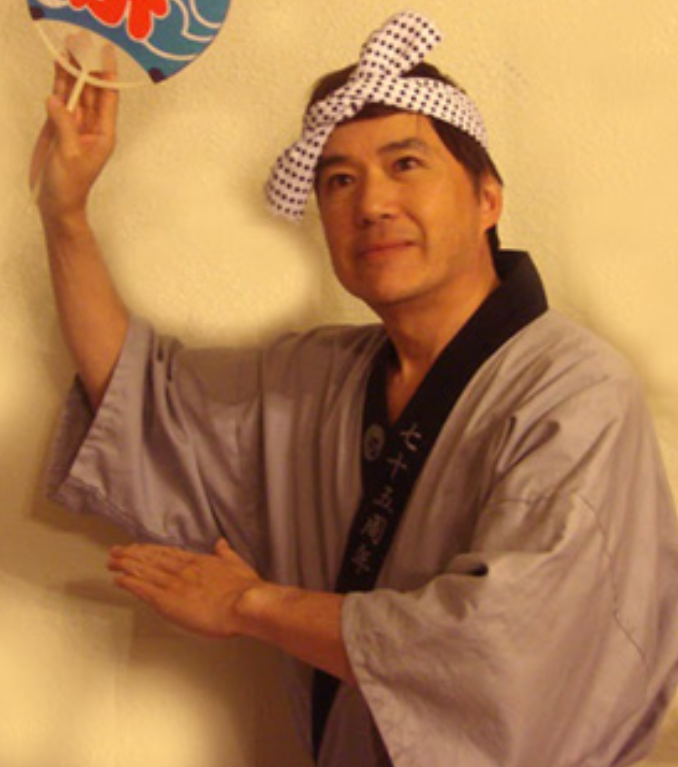
Meet Obon Humboldt’s Bon Odori sensei, Craig Kurumada!
Craig grew up dancing in Obon Festivals in Salt Lake City, Utah in the 60’s through the 80’s. He has taught Japanese and international folk dancing for over thirty years. He lives in Arcata and performs world music with the folk band Chubritza. He is happy to lead the Second Annual Humboldt Obon Festival.
For review and if you’re unable to come to the lessons, please check out the link to Craig’s Bon Odori videos:
https://sites.google.com/humboldt.edu/humboldt-obon-odori-dance-clas/home
*FREE CLASSES * COME JOIN US
Dance classes are at the Redwood Raks Dance Studio, 824 L Street in Arcata, CA.
We will meet Sundays from 6-7:15 in the Jade Studio and Mondays from 7-8 in the Bella Studio.
Obon Marketplace
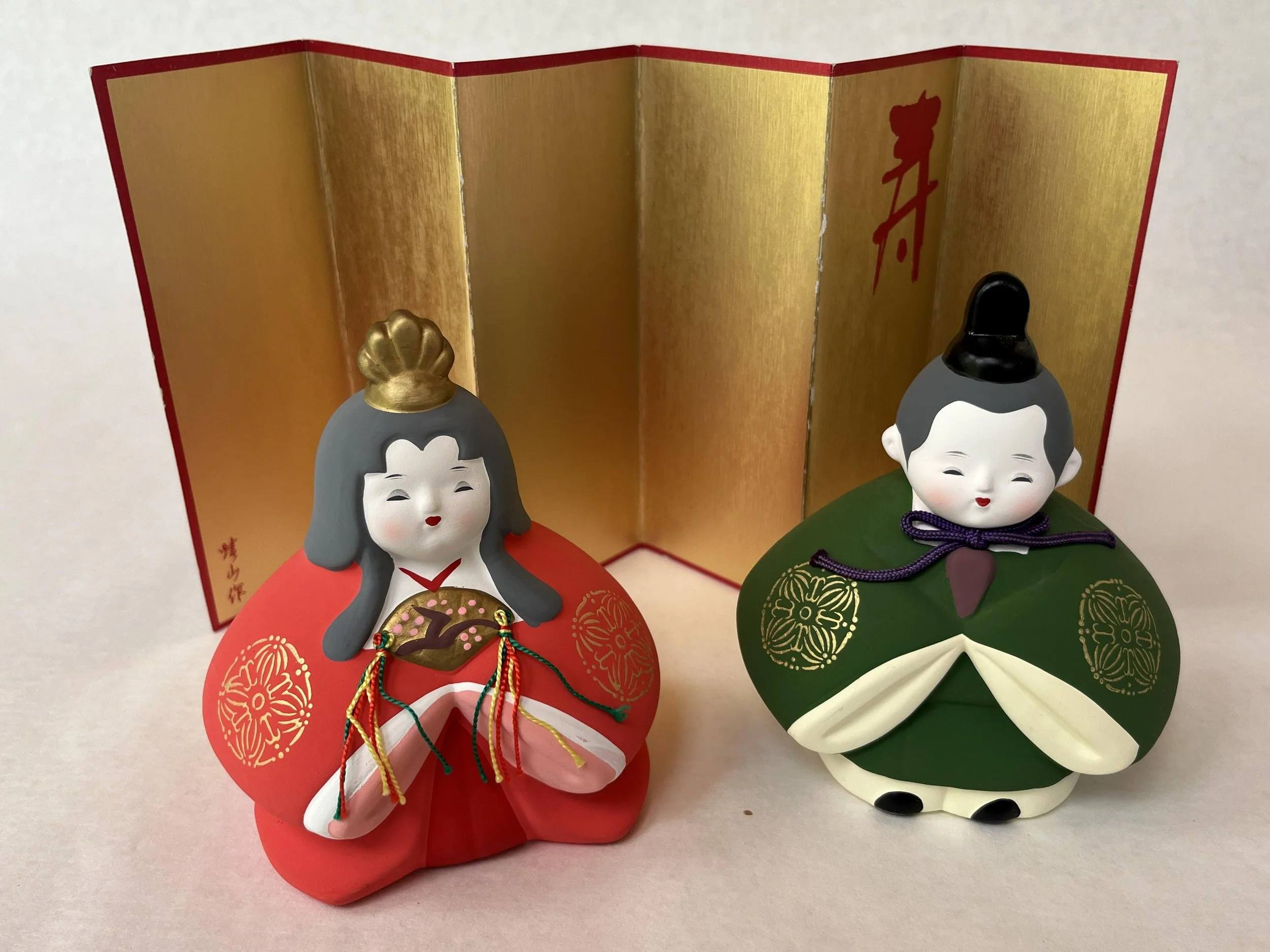
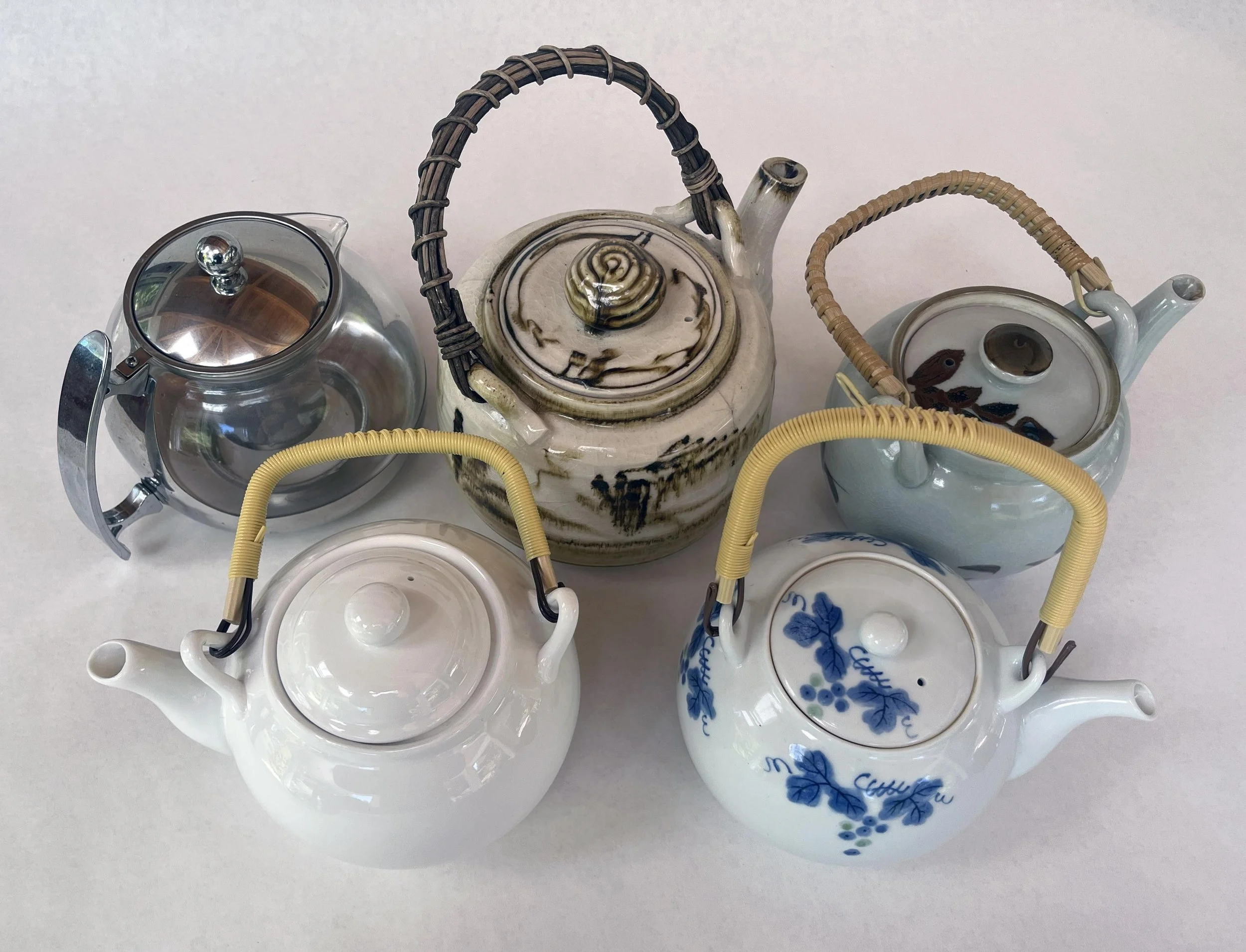
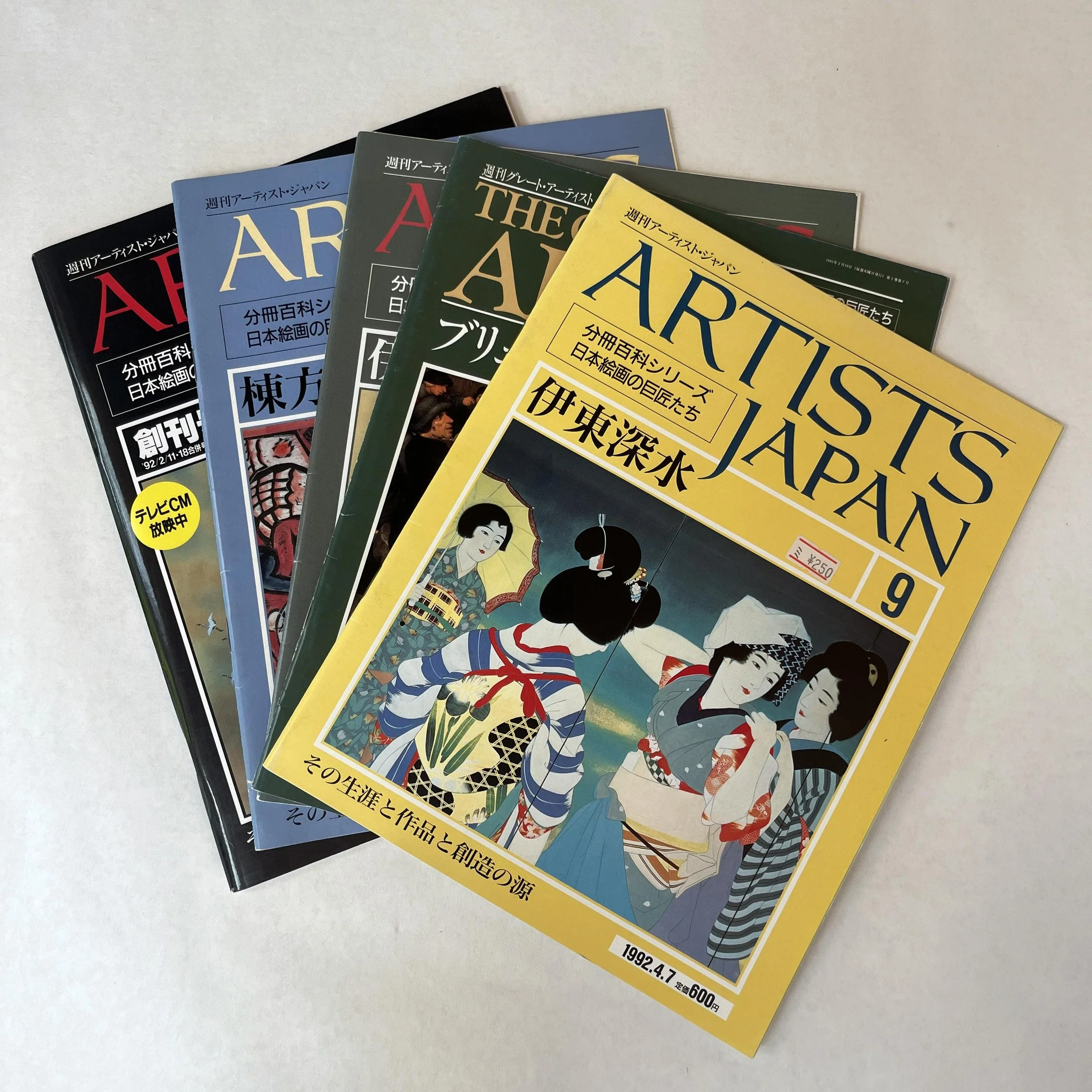
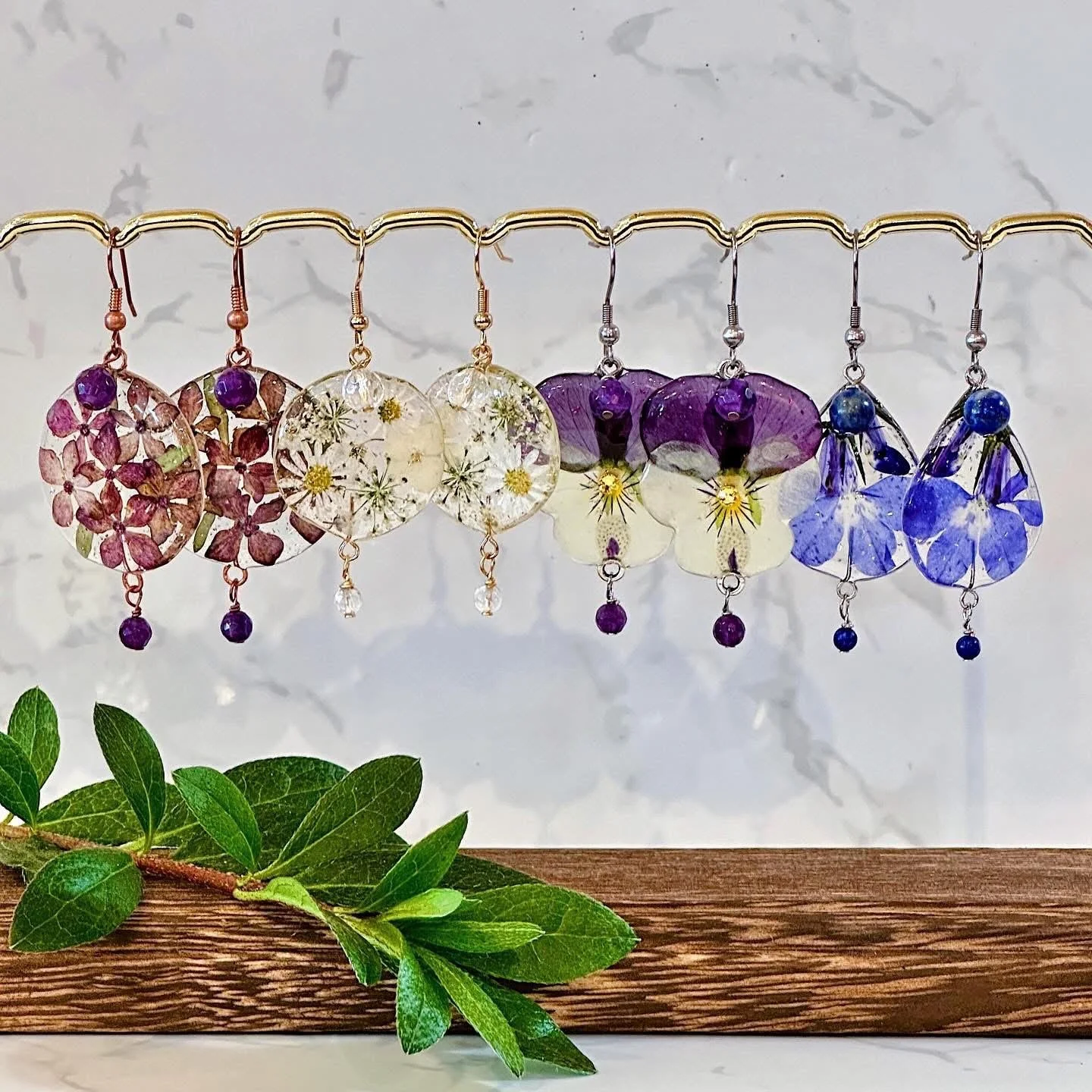
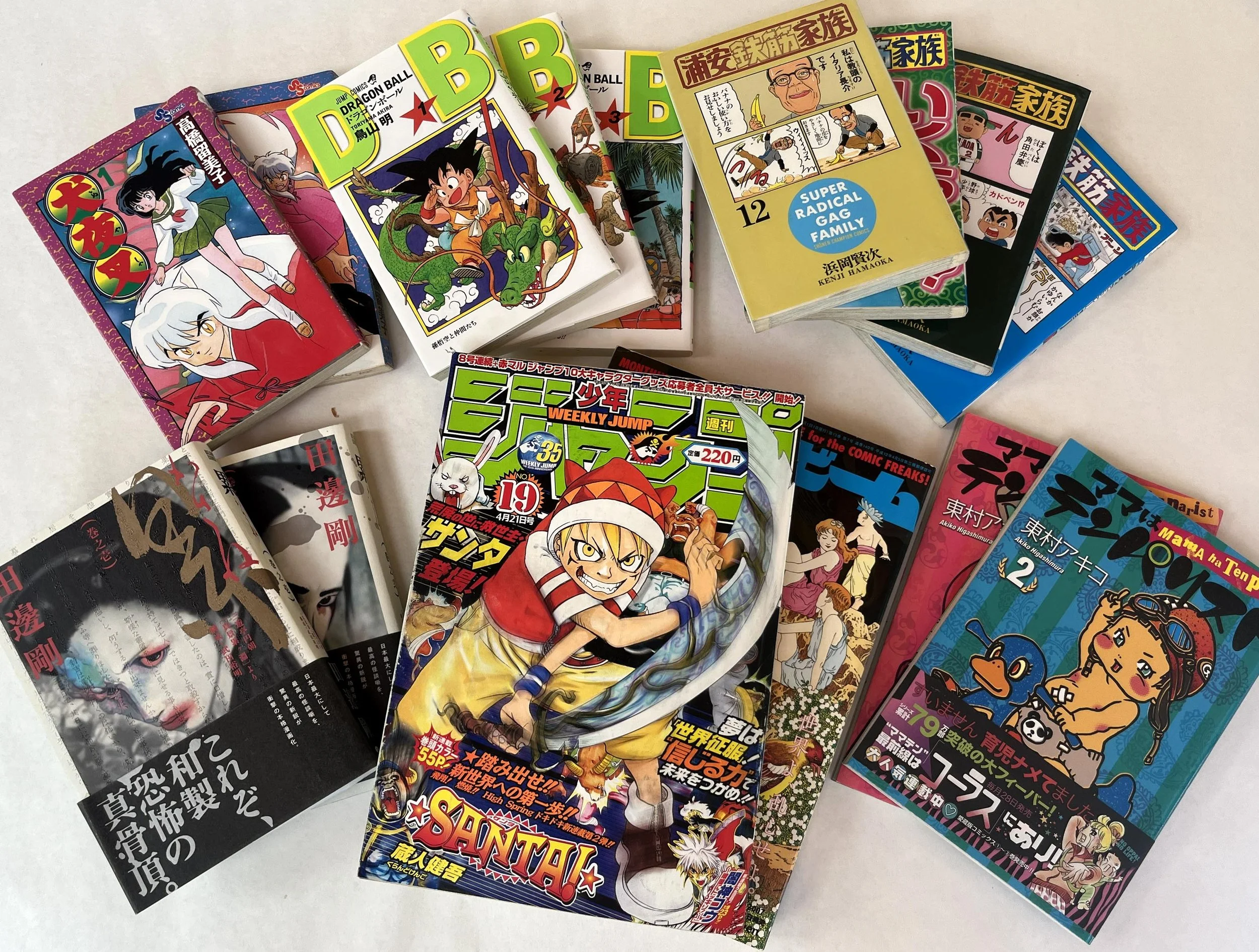
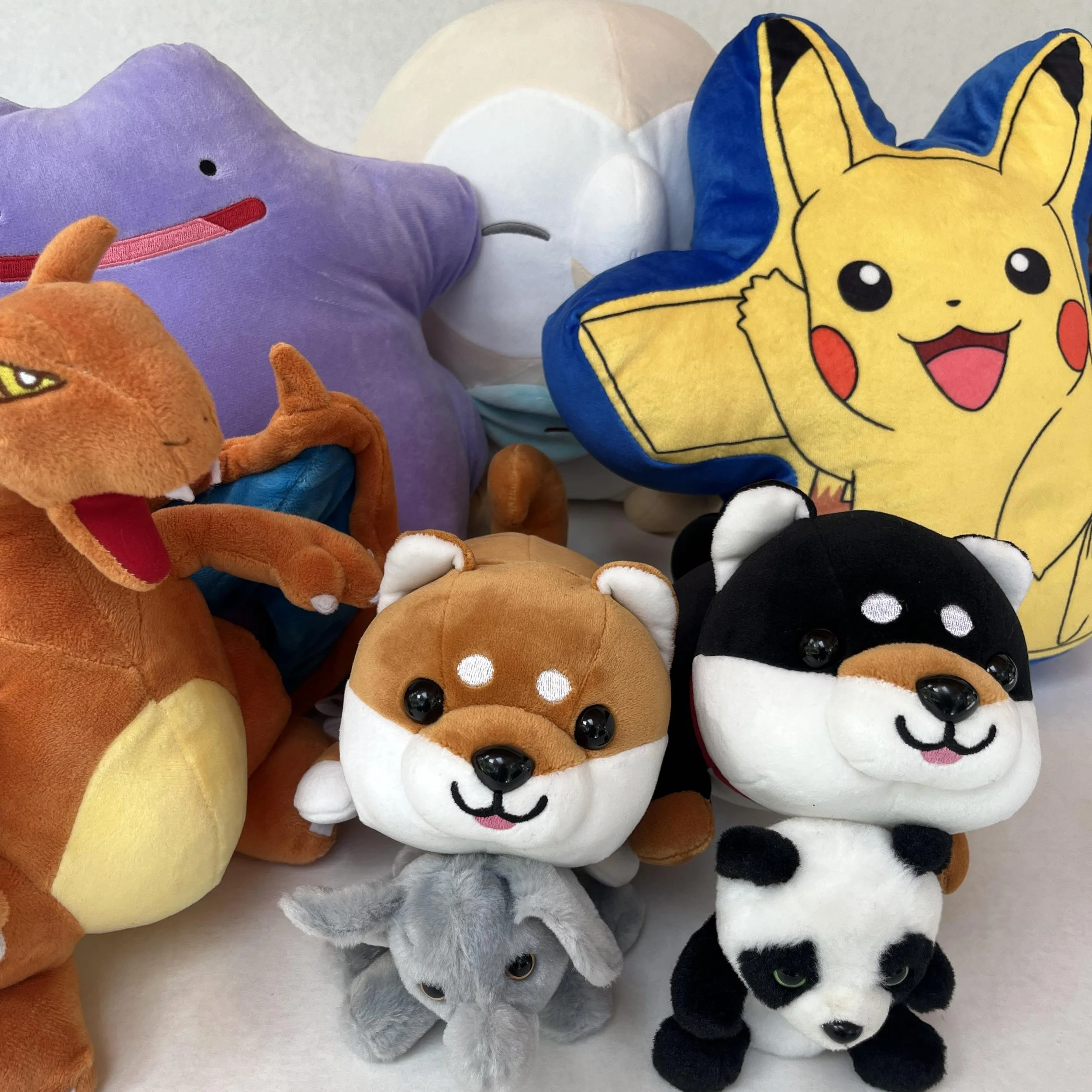
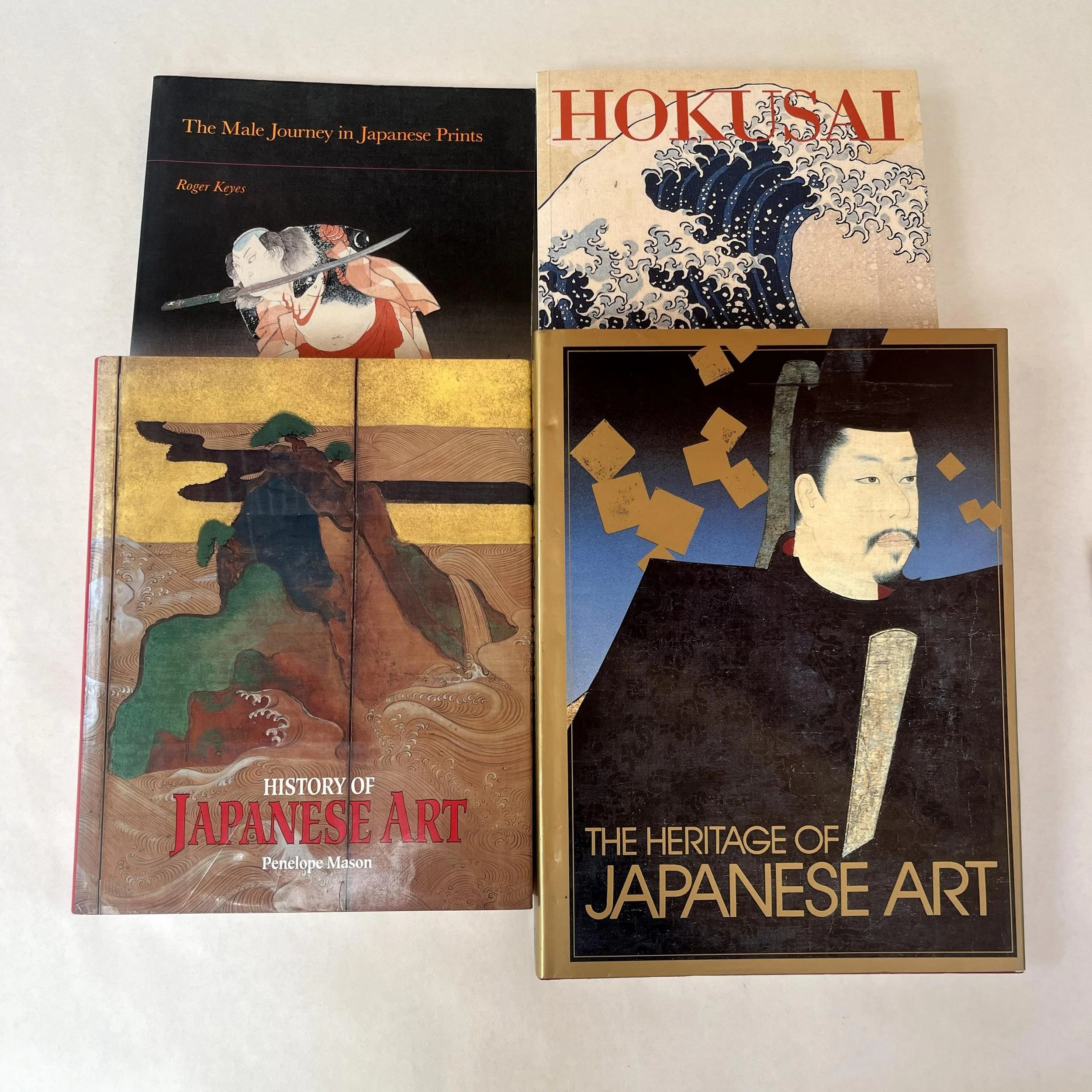
Get a first glimpse of a few of the fine vintage items available for sale at Humboldt Obon.

Sponsors
HAPI thanks our generous sponsors. Click on their names to find out more!